.png)
The environments we create

Early last week, we walked along a familiar lane near home, where a long stretch of mature leylandii trees had been cut back heavily beneath power lines, leaving an unsettling silence.
Where there had recently been movement, birdsong and nests hidden among dense branches, there was now open sky and piles of cut debris. Among the rubble were signs that not all the nests had survived.
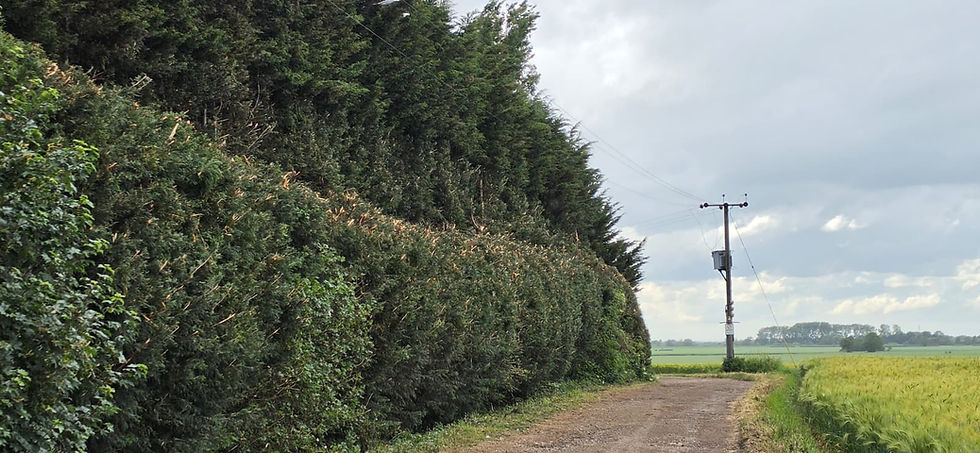
We have reported our concerns and are waiting to understand what happened, and why.
Perhaps there is an explanation or factors we don't yet know, but standing there, it was difficult not to feel sadness for the countless small lives affected by someone else's decision.
Only a few days earlier, the same stretch of trees had been alive with the activity of a variety of birds and their fledglings.
Now it was eerily quiet and the contrast felt stark.
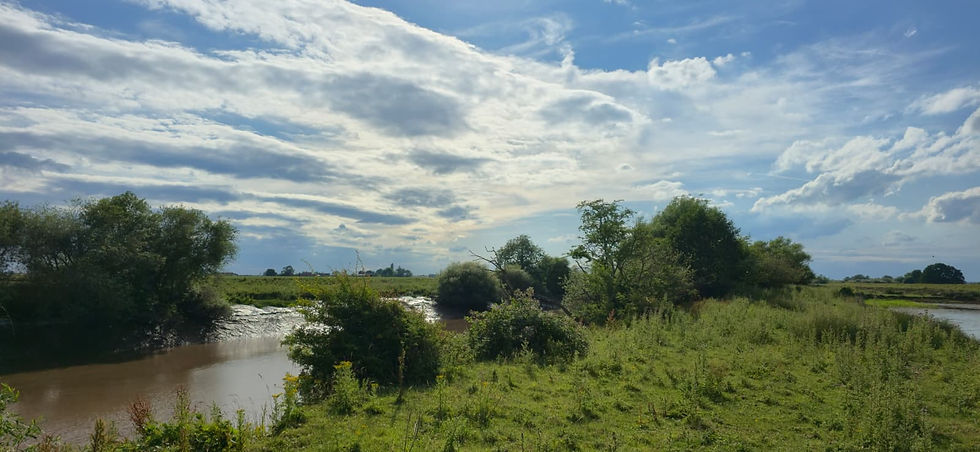
Yet elsewhere, along the river, life continued.

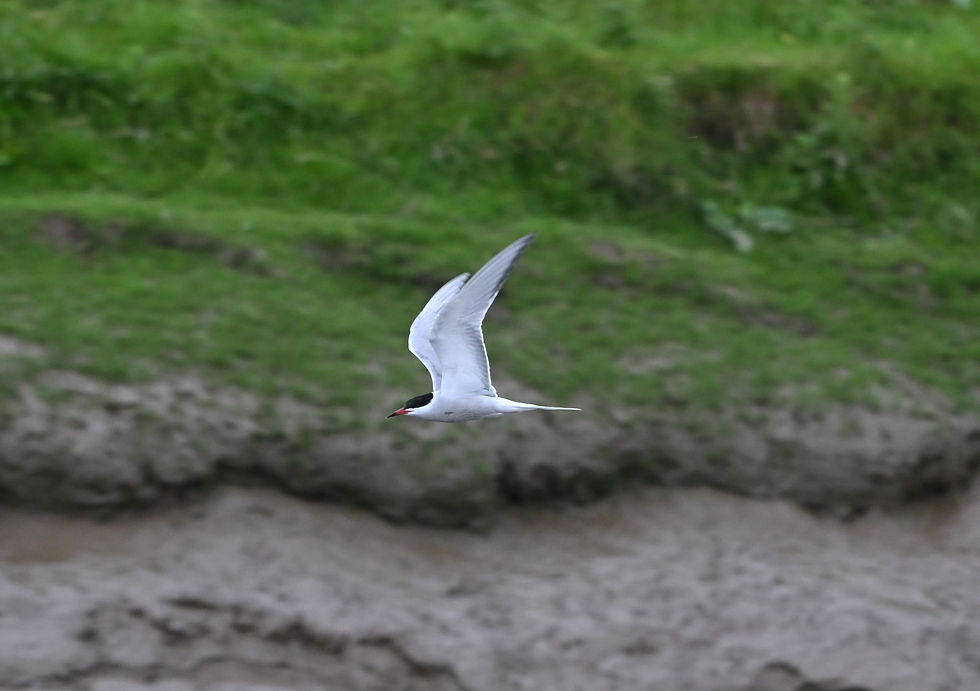
The western house martins have returned in impressive numbers, like bank swallows they dart and swoop over the water with the same energy and precision that makes them such a joy to watch.
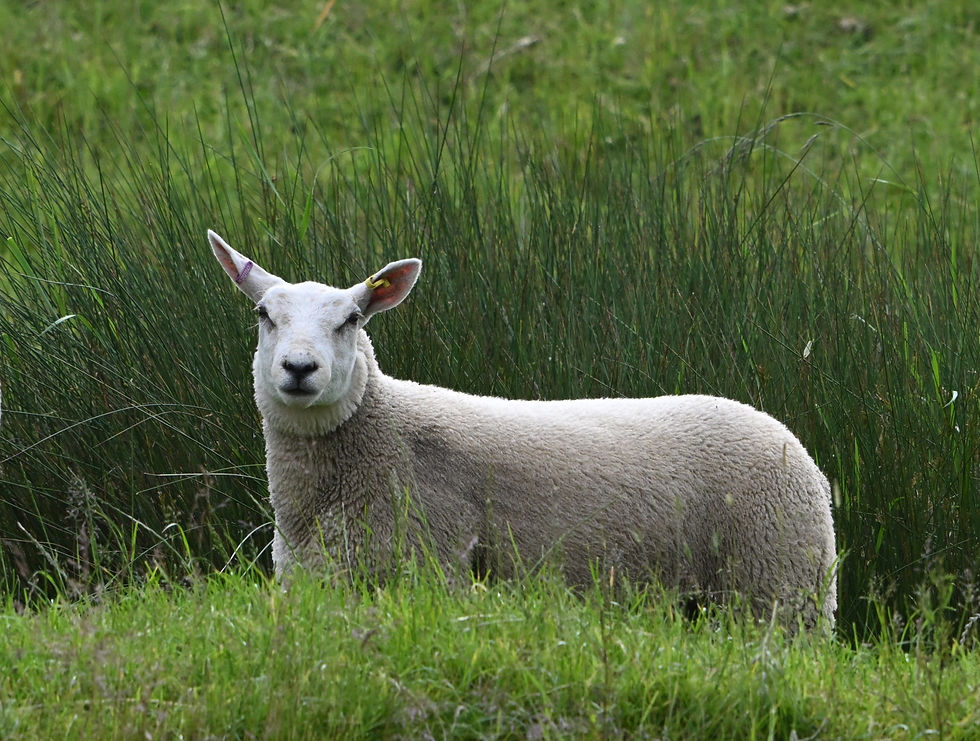
A common tern appeared inland for us to witness - for the first time here, its long forked tail helping it twist and turn effortlessly snaking along the river as it searched for movement below. The crows continued their relentless pursuit of any buzzard that ventured too close, while lambs, cows and calves grazed with surprising confidence just feet from the river's edge.
Nature, as it always does, carries on.
But not unscathed.
A nesting site lost this year may not simply reappear next year.
A disturbance can have consequences long after the machinery has gone.
As I reflected on this, I found myself thinking about coaching and the environments in which people grow.
We often focus on confidence, resilience and wellbeing as though they exist in isolation.
But they don't.
Like wildlife, people are shaped by the conditions around them.
Some environments encourage growth.
Others slowly diminish it.
A supportive word can build confidence.
A careless one can undermine it.
A culture of trust allows people to flourish.
A culture of fear causes people to retreat.
What may seem insignificant to one person can profoundly affect another.
Later in the week, I experienced the other side of that equation.
I met my six-year-old twin nephews for the first time.
Children can be wonderfully honest judges of character. They accepted us immediately, as though we'd always been part of their world. We spent the day laughing, playing and getting to know each other.
What struck me most wasn't simply how polite they were, or how confident.
It was how comfortable they seemed in themselves.
Curious.
Open.
Unafraid to be exactly who they are.
They are clearly loved deeply by parents who allow them to grow into themselves rather than moulding them into someone else's idea of who they should be.
Watching them, I was reminded that confidence rarely appears by accident.
Like a healthy ecosystem, it tends to grow where the conditions are right.
Where there is encouragement.
Safety.
Acceptance.
Care.
Perhaps that resonated so strongly because many of us know what it feels like to grow in less nurturing environments.
We know what happens when criticism outweighs encouragement.
When love feels conditional.
When being yourself doesn't always feel safe.
Those experiences can leave lasting marks, shaping how we see ourselves and how we move through the world long after the circumstances have changed.
Yet one of the most hopeful lessons life teaches us is that the environments that shaped us do not have to determine the environments we create.
Sometimes healing reveals itself not in grand gestures, but in quieter moments.
In seeing old patterns end.
In witnessing children grow up free from burdens that were never theirs to carry.
In recognising that love, acceptance and emotional safety can become the new inheritance.
As I watched my nephews this week, I found myself feeling an overwhelming sense of hope.
Not because life is perfect.
Not because the past can be changed.
But because it is possible to choose what comes next.
The birds in those trees had chosen a place they believed was safe enough to raise their young.
My nephews are growing in an environment where they are loved, encouraged and accepted for who they are.
The contrast was not lost on me.
The trees and the twins have left me with the same question:
What kind of environment am I creating around me?
For the people I love.
For the people I work with.
For the communities I belong to.
For the wildlife that shares this space with us.
Because whether we realise it or not, every interaction creates conditions.
Conditions in which something can flourish.
Or conditions in which something begins to retreat.
Life responds to the environments we create.
This week reminded me that whilst we have an extraordinary capacity to cause harm, we also possess an equally extraordinary capacity to nurture, protect and love.
Perhaps resilience is often misunderstood.
We tend to think of it as enduring hardship and carrying on.
But perhaps resilience is something more.
It might be the ability to create conditions in which life can flourish despite what has come before.
The trees may recover. Future generations of birds may return. Nature has an extraordinary capacity to heal when given the chance.
People are not so different.
We cannot always change the environments that shaped us, but we can choose the environments we create for others.
We can choose encouragement over criticism.
Acceptance over judgement.
Love over fear.
Sometimes the greatest act of healing is not changing our own past, but creating a different future for those who follow us.
And perhaps that, more than resilience alone, is what gives me hope.



Comments