.png)
What grows beneath the canopy


There’s something quietly revealing about a forest canopy.
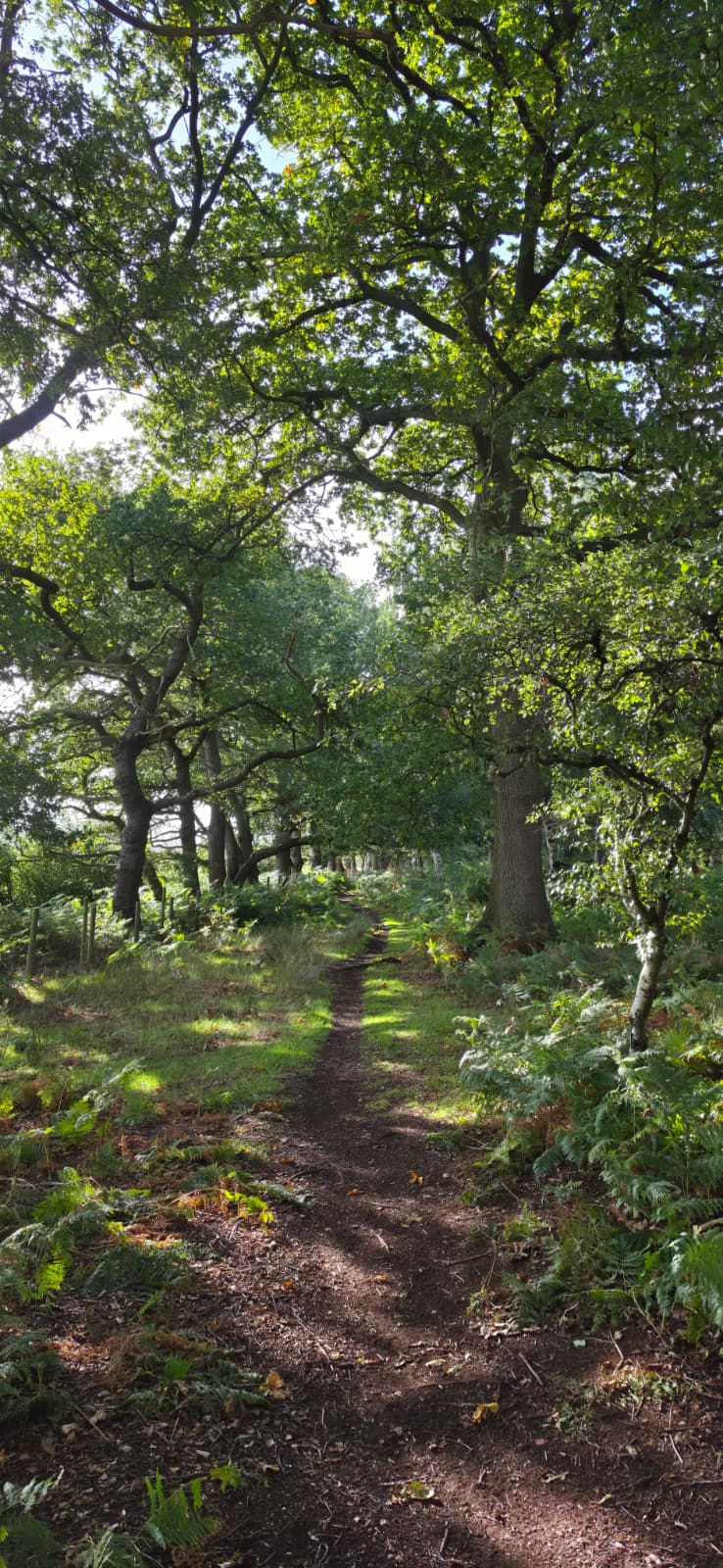
When one tree grows so large and dominant that it blocks most of the light beneath it, the forest floor changes around it. Nothing underneath grows freely anymore.
Saplings lean sideways searching for light. Some become twisted around obstacles.
Others remain stunted despite strong roots, whilst a few compete desperately for whatever light filters through.
A few may appear to flourish because they sit closest to the canopy, receiving warmth and protection reflected back toward them. Others are pushed further into shadow, struggling quietly while somehow being seen as the problem for not thriving. And some learn that survival depends upon becoming small, unobtrusive, and self-protective.
Over time, the shape of each tree begins to reflect the conditions it grew within - not because it was weak, or because it lacked potential, but because living things adapt to the environments they depend upon.
The forest as a mirror
This dynamic often mirrors what can happen within unhealthy family systems, especially where love, approval, or emotional safety feel conditional.
Children learn roles very early:
the achiever
the peacekeeper
the invisible one
the difficult one
the child who absorbs blame
the child who learns to perform for acceptance.
And long after childhood ends, those patterns can remain. Adults may find themselves:
overexplaining
second-guessing
apologising for taking up space
scanning constantly for disapproval, and seeking approval
struggling with confidence despite capability
having low self-esteem or self-worth
feeling that they’re constantly on trial
carrying impostor feelings that never quite loosen their grip
Many become extraordinarily capable people, but beneath that competence is often someone who learned that safety depended on getting things right, staying useful, staying agreeable, or staying small.
A new perspective
Perhaps the hardest part is this:
People frequently believe there is something fundamentally wrong with them, rather than recognising that they were trying to grow in impossible conditions.
Some things do not grow poorly because they are weak; they grow around obstruction, around shadow, around survival.
That understanding can be profoundly freeing, because healing is not always about becoming someone entirely new. Sometimes it is about finally standing in enough light to discover who you might have been without the constant need to adapt, or to conform.
How coaching can help
This is one of the things that coaching can gently offer.
No judgement of the past.
No blame.
No forcing people to revisit pain before they are ready.
Instead, coaching offers space:
And slowly, over time, space to grow differently and choose the path that is right for you to thrive.
Because you were never the problem tree in the forest.
“Even on the darkest of days, there is light between the trees”.
(C Deveney, 2025)



Comments